Comprehensive Residential Roofing Maintenance Checklist for West Valley Homeowners
Santay Roofing provides licensed repairs, inspections, and honest estimates.
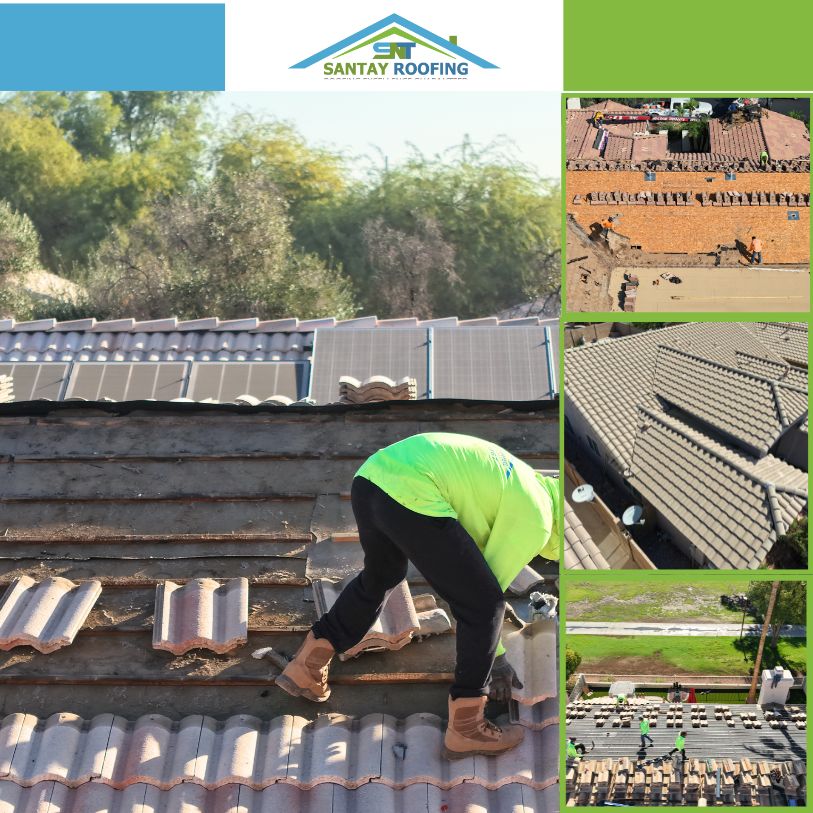
Why Proactive Residential Roofing Maintenance Matters
Your home’s roof is your primary defense against the elements, but in the West Valley, a minor issue can escalate into a major headache fast. A cracked tile or missing shingle in June can turn into a water-damaged attic and ruined drywall by July’s monsoon season. With the average cost of a roof replacement in Phoenix AZ running into the tens of thousands of dollars, hoping for the best is a losing strategy. This guide equips Goodyear, Glendale, and Peoria homeowners with a proactive roofing maintenance plan tailored specifically to our extreme desert climate.
How the Arizona Climate Impacts Residential Roofs
The Phoenix metro area is notoriously tough on residential roofing materials, whether you have concrete tiles, clay, or asphalt shingles.
- UV Radiation: Year-round intense sun bakes asphalt shingles, accelerating granule loss, and deteriorates the vital felt underlayment beneath tile roofs.
- Thermal Cycling: Daily temperature swings force roofing materials to constantly expand and contract, leading to cracked tiles, loosened nails, and material fatigue over time.
- Monsoon Season: Sudden, heavy rainfall and high winds can rip off loose shingles, lift tiles, and drive wind-blown rain under compromised flashing.

Your Essential Home Roof Inspection Checklist
Use this checklist during your semi-annual visual inspections to catch early warning signs before they become major leaks.
1. Roofing Materials (Tiles and Shingles)
- Tile Roofs: Scan for cracked, sliding, or completely missing concrete or clay tiles. (Note: The waterproof underlayment beneath the tiles is what actually keeps your home dry; exposed underlayment degrades rapidly in the sun.
- Shingle Roofs: Look for curling, blistering, or missing asphalt shingles. Check your gutters for excessive shingle granule buildup, which indicates severe wear.
- Inspect the ridge cap (the peak of the roof) for missing pieces or deteriorated mortar.
2. Gutters and Drainage
- Clear all gutters, downspouts, and roof valleys of leaves, dirt, and debris.
- Confirm that downspouts direct water at least five feet away from your home’s foundation.
3. Flashing and Roof Penetrations
- Inspect the metal flashing around your chimney, skylights, plumbing vents, and exhaust fans.
- Look for dried-out, cracked, or missing roofing cement and caulking around these penetrations.
4. Interior and Attic Warning Signs
- Check your attic during daylight for any sunlight peeking through the roof boards.
- Inspect attic insulation for dampness or dark water stains.
- Look for bubbling ceiling paint or brown water spots on your interior walls.
Seasonal Maintenance Schedule for West Valley Homes
Timing is everything. In Arizona, your maintenance calendar should align with our unique weather patterns:
- Spring (March–April): Catch any winter damage. This is the perfect time to clear valleys of spring debris before the extreme summer heat arrives.
- Pre-Monsoon (May–June): Critical. Secure any loose materials and ensure your gutters are completely clear to handle sudden microbursts and heavy rain.
- Post-Monsoon (October): Assess your roof for storm damage, wind-blown debris impacts, or missing tiles that occurred during the violent summer weather.

When to Hire a Roofing Contractor Phoenix
Homeowners often wonder what they can safely DIY. You can safely clear low-hanging gutters from a sturdy ladder and conduct visual ground-level checks using binoculars.
However, walking on your roof—especially a tile roof—should be left to a licensed roofing contractor in Phoenix. Walking improperly on concrete or clay tiles will easily break them, causing more damage than you are trying to prevent. Furthermore, replacing underlayment, repairing flashing, and performing formal inspections safely requires professional training and equipment.
Securing Your Home’s Value
Routine roofing maintenance costs a fraction of a full-scale replacement. By sticking to a seasonal schedule, doing ground-level checks after major storms, and partnering with a trusted local expert like Santay Roofing, you will drastically extend your roof’s lifespan and protect your home from devastating water damage.

Frequently Asked Questions
How often should I schedule residential roofing maintenance?
At a minimum, you should have your roof visually inspected twice a year—once in the spring and once in the fall. Adding a quick ground-level check with binoculars after any major monsoon storm is highly recommended to catch displaced tiles or shingles
What signs indicate my home needs an immediate roof repair?
If you notice missing or broken tiles, finding shingle pieces in your yard after a storm, fresh interior water stains, or dripping in your attic, do not wait. Call a licensed roofing contractor in Phoenix immediately to prevent severe drywall and structural damage.
Is regular maintenance really worth the cost for a house?
Absolutely. The math consistently favors preventive care. A complete roof replacement in Phoenix, AZ, is a major financial burden. Routine maintenance extends the rated life of your roof, ensures your underlayment remains protected, and helps you avoid secondary costs like mold remediation and structural wood rot.
Can I walk on my tile roof to inspect it myself?
It is highly discouraged. Tile roofs are fragile under foot traffic. Stepping in the wrong spot will crack or dislodge the tiles, exposing the sensitive underlayment to the sun and rain. Always leave roof-walking to experienced, insured professionals.